About us
African-led philanthropy infrastructure
African generosity and African talent both exist in quantity. We build the systems that let them reach each other.
Africa is not short of capital, and it has never been short of generosity
Giving runs deep across the continent, through families, congregations, savings groups and community networks. Very little of it is recognised by formal funding systems, so very little of it is ever accumulated into African investment in African solutions. At the same time only a small fraction of global philanthropy reaches local organisations directly, at 1.2 per cent by the most recent figure available.
What has been missing is not money or willingness. It is the trust infrastructure that lets the two find each other. MoFund Africa was founded in 2023 to build it.
The problem we were built to address
A trust problem before it is a money problem
An organisation working in one town, with a handful of staff and an annual budget between $10,000 and $100,000, is often producing measurable change. It is also too small for institutional investors, too unfamiliar for local lenders and too costly for most funders to assess.
Most funders concentrate between $100,000 and $500,000, meaning that organisations needing $5,000 to $50,000 fall into a gap that nobody is structured to serve.
This is not due to a judgement on their work. African-led organisations are passed over because they lack the systems, networks and institutional credibility funders need to see and not because their impact is in doubt. It is a trust problem before it is a money problem.
-
$100k+
Funders are structured to move this.
-
The gap
The same assessment cost, a fraction of the cheque.
-
$5k–$50k
What our organisations need. MoFund Africa builds the span.
What we built
Three arms that answer a funder's three questions
MoFund Africa operates through three arms. Every organisation enters through the Academy, and everything that follows rests on the record built there.
Read in sequence, they describe one path. We find organisations doing real work, we spend ten months making them fundable, we fund the ones who are ready, we track what happens, and we report it back to the people whose capital made it possible.
How we approach the work
Six commitments
-
We build systems rather than run projects
The gap we work in is structural, so the answer has to be structural too. That means programmes, platforms and processes that keep working after any single grant has been spent.
-
Preparation comes before capital
Nobody receives funding from us on the strength of an application. Ten months in the Academy is our due diligence, and it produces a view of an organisation that no written proposal could.
-
We match the instrument to the stage
Not every organisation is ready for money, and giving it to them early is a disservice. Some need a grant, some need operational support and compliance work first, and some need direction before either. We say so plainly, and we stay with organisations that are not yet ready.
-
Evidence is collected where the work happens
Reporting fails when it asks a two-person organisation to write like a foundation. SikaIQ collects evidence through the channels field teams already use, so verification becomes a by-product of the work instead of a tax on it.
-
Decisions stay close to the communities involved
We operate through in-country delivery partners and a distributed team, which lets us work across several markets while keeping judgement local.
-
We are accountable in both directions
To the funders who trust us with capital and to the organisations and communities that trust us with their time.
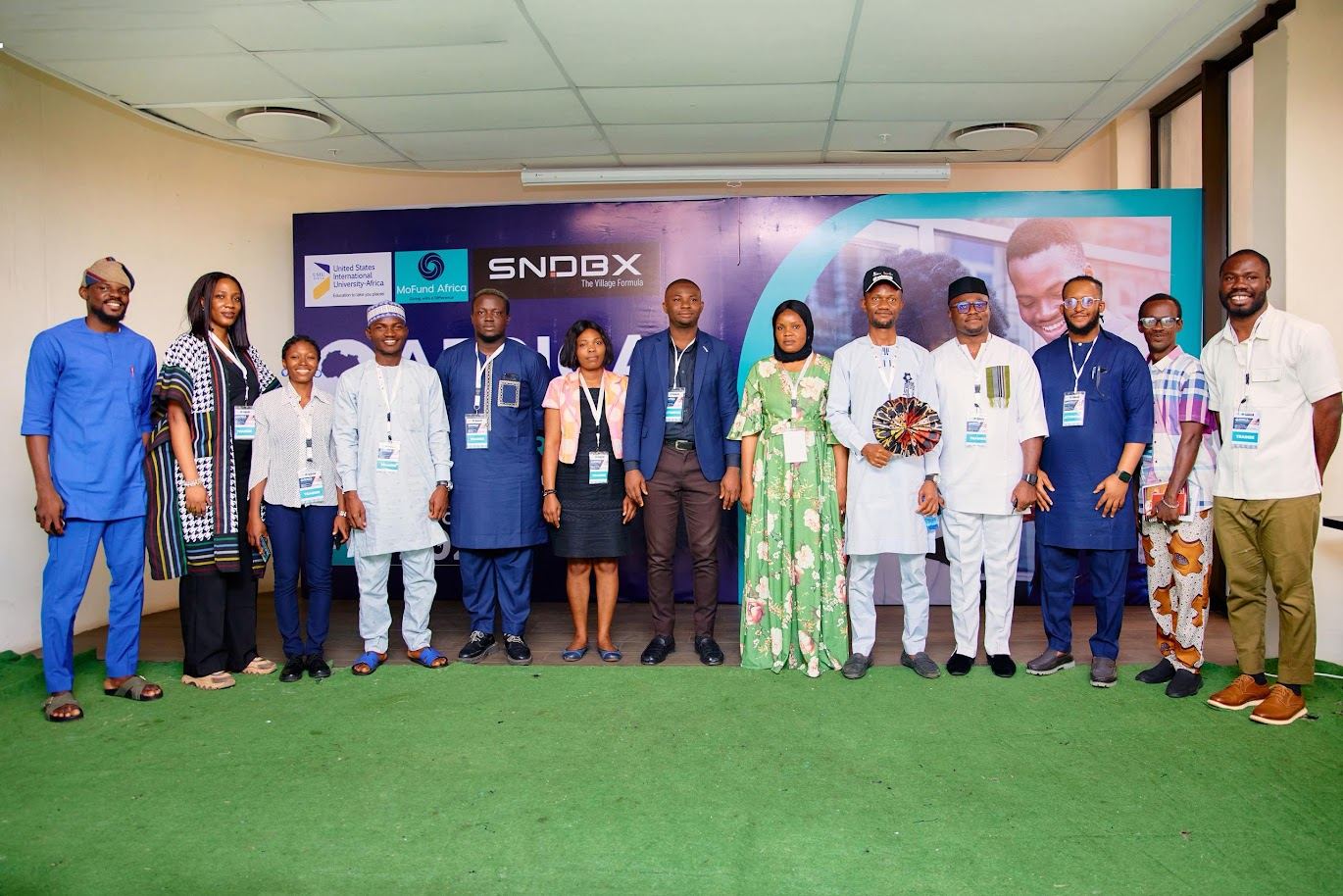
Where we work
Four countries, one network
MoFund Africa is registered in the United States and Kenya, and works across Kenya, Nigeria, South Africa and Zambia. Cohort 1 ran in Kenya, Nigeria and South Africa. Cohort 2 adds Zambia.
Kenya
Nigeria
South Africa
Zambia (new in Cohort 2)
Who we work with
Community-embedded changemakers
We use the term community-embedded changemaker for the organisations we work with, and it carries a definition every applicant is measured against.
-
African-founded and locally based
-
Registered, operating two years or more
-
Solves a problem the community defined
-
Evidence the community uses it
-
Operational and financial records
What we are working towards
From recipient to steward
The shift we are working for is from Africa as a recipient of global philanthropy to Africa as a generator and steward of its own capital.
That means a continent where community-embedded changemakers are recognised and resourced because the systems exist to see them clearly, where African-led capital funds African-led solutions, and where being closest to the problem is treated as a qualification rather than a risk.